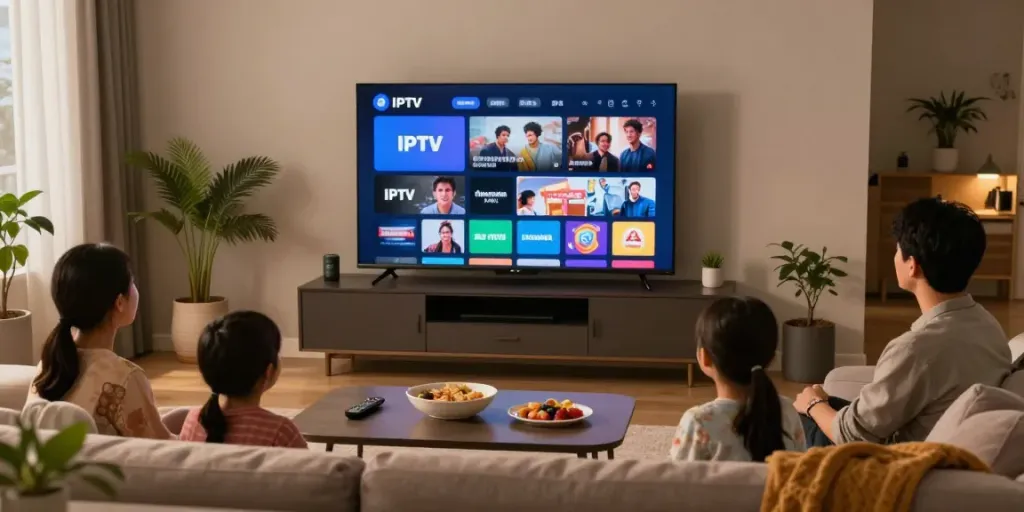
Understanding IPTV Services
In an age where streaming services dominate the entertainment landscape, the demand for Internet Protocol Television (IPTV) has surged dramatically. IPTV allows users to stream live television and on-demand video content over the internet, offering a versatile alternative to traditional cable and satellite services. As we delve into the intricacies of IPTV, we will explore its workings, the myths surrounding it, and the various offerings available in the ever-expanding market. When exploring options, Iptv Service provides comprehensive insights that can guide users in making informed decisions.
What is IPTV?
IPTV stands for Internet Protocol Television. Unlike traditional television formats like cable and satellite, IPTV delivers content through internet protocols. This method enables viewers to watch live broadcasts, catch-up TV, and on-demand content via internet-connected devices. With IPTV, the delivery is more flexible, as users can access programming on their TVs, computers, or mobile devices, significantly enhancing their viewing options.
How IPTV Works
The fundamental principle behind IPTV involves the transmission of video content over the internet, utilizing broadband connections instead of the conventional terrestrial, satellite, or cable methods. Here’s a brief breakdown of how IPTV functions:
- Content Delivery: IPTV streams television programming and videos directly to a user's device over the internet using a protocol designed to transport data over networks.
- Multicast/Unicast Transmission: IPTV employs multicast technology, allowing multiple users to receive the same broadcast stream without overloading the network. Unicast is used for on-demand content, delivering individual streams for specific requests.
- Set-Top Box: Most IPTV services require a set-top box that converts the incoming data stream into a format that can be displayed on a TV. Some services may allow streaming directly to smart TVs or mobile devices.
Common Myths about IPTV Services
Despite its growing popularity, several misconceptions about IPTV persist. Addressing these myths can help potential users make better-informed decisions:
- Myth 1: IPTV is illegal. Fact: Many reputable IPTV providers operate legally, offering licensed content.
- Myth 2: IPTV only works on Smart TVs. Fact: IPTV can be accessed on various devices, including smartphones, tablets, and computers.
- Myth 3: IPTV is complicated to set up. Fact: Most services offer user-friendly interfaces and simple installation procedures.
Evaluating the Best IPTV Providers
Choosing the right IPTV provider is crucial for ensuring a satisfactory viewing experience. With a plethora of services available, certain factors can help differentiate reputable providers from less reliable options.
Criteria for Choosing an IPTV Service
When considering an IPTV service, users should evaluate the following criteria:
- Content Variety: Assess the range of channels and on-demand content available.
- Pricing: Compare subscription costs and consider what features are included.
- Performance: Look for providers with a reputation for stable service, minimal buffering, and high-quality video.
- Customer Support: Reliable customer service can greatly enhance the user experience.
Top Features to Look For
While evaluating IPTV services, certain features can enhance the overall viewing experience:
- Catch-Up TV: This feature allows users to watch shows after they have aired, providing flexibility.
- Multiple Device Support: The ability to stream on various devices is essential for modern viewers.
- Video on Demand (VoD): A solid library of on-demand content ensures that viewers have options beyond live broadcasts.
- High Definition and 4K Support: Quality is paramount, and services offering HD and 4K streams are desirable.
Comparison of Leading IPTV Services
With so many providers in the market, here is a brief comparison of a few leading IPTV services:
- DirecTV Stream: A strong contender in the market, offering a comprehensive channel lineup with strong sports coverage.
- Hulu + Live TV: Notable for its combination of live TV and an expansive on-demand library.
- YouTube TV: Known for its robust cloud DVR features and wide selection of channels.
Legal Aspects of IPTV in the USA
As IPTV services gain traction, understanding the legal landscape surrounding them is vital for consumers. Not all IPTV services operate legally, making awareness crucial in avoiding potential issues.
Is IPTV Legal in the USA?
The legality of IPTV in the USA often hinges on the provider's licensing agreements. Legitimate services, such as Hulu or YouTube TV, are legal because they secure licenses for their content. However, illicit services that do not pay for content distribution are illegal and pose risks to users.
Understanding Licensing and Copyright
Content creators and broadcasting companies rely on licensing agreements to protect their intellectual properties. IPTV providers must navigate a complex web of copyright laws to ensure they deliver content legally. Unauthorized distribution can lead to significant legal repercussions for both providers and users.
Risks of Illegal IPTV Services
Engaging with illegal IPTV services can expose users to numerous risks, such as:
- Legal Action: Users may face fines or other legal actions for accessing pirated content.
- Malware and Phishing Threats: Many illegal IPTV services expose users to cybersecurity threats.
- Poor Quality and Reliability: Illegal services often compromise quality and can lead to unstable connections.
Cost of IPTV Services
The cost of IPTV services can vary widely based on the provider and the features offered. Understanding these costs is essential for budgeting and evaluating overall value.
Typical Subscription Costs
Most IPTV services offer subscription plans ranging from $10 to $100 per month. Pricing often correlates with the number of channels, the inclusion of on-demand content, and additional features like DVR capabilities.
Free vs. Paid IPTV Services
While free IPTV services are enticing, they often come with limitations and risks, including unreliable streaming quality and possible legal issues. Paid services typically provide more stable delivery, better content choices, and superior customer support, justifying the investment.
Evaluating Value for Money
To assess value, consider what each service offers versus its cost. Features like channel variety, video quality, and customer support should influence your decision-making process. Sometimes, a higher price can translate to a significantly better experience.
Future of IPTV Services in 2026 and Beyond
The IPTV landscape is continuously evolving. As technology advances, so too do the offerings of IPTV services, promising to enhance user experiences and broaden content accessibility.
Emerging Trends in IPTV Technology
In the coming years, emerging trends are likely to shape the future of IPTV:
- AI Integration: Artificial intelligence will likely enhance content personalization and improve user interfaces.
- Enhanced Interactivity: Viewers can expect more interactive features, such as interactive advertising and multi-angle viewing.
- Increased Mobile Streaming: With mobile devices becoming predominant, IPTV services are expected to optimize content for on-the-go viewing.
Future Predictions for IPTV Services
Experts predict continued growth for the IPTV market, spurred by increasing internet penetration and the declining cost of data. Moreover, as streaming becomes the preferred method of consuming content, providers are likely to expand their offerings to include more diverse channels and on-demand options.
Integrating IPTV with Smart Home Systems
The integration of IPTV services with smart home systems presents an exciting opportunity for future developments. For example, users may control their IPTV services through voice commands via smart assistants, creating a seamless and enhanced viewing experience.
Is IPTV Worth It?
The value of IPTV largely depends on individual preferences and viewing habits. For those who revel in a wide array of channels and on-demand offerings, IPTV can be an excellent alternative to traditional cable services.
How to Set Up IPTV at Home?
Setting up IPTV at home is generally straightforward. Most services provide detailed guides, but the basic setup typically involves:
- Choosing an IPTV provider and subscribing to a plan.
- Installing any necessary applications on your device or set-top box.
- Connecting your device to the internet.
- Following prompts to complete the setup process.
Can I Use IPTV Outside the USA?
IPTV services can often be accessed outside the USA, but there may be restrictions based on licensing agreements. Users traveling abroad should check whether their service offers international access and if any additional fees apply.
Comparative Analysis of Free and Paid IPTV Services?
While free IPTV services are available, they often lack the reliability and quality associated with paid services. The trade-offs typically include:
- Quality: Paid services usually offer superior streaming quality.
- Content Availability: Paid options often have access to a more extensive and legal content library.
- Support and Features: Paid services generally provide better customer support and additional features like cloud DVR.