Understanding the IPTV Service Landscape in 2026
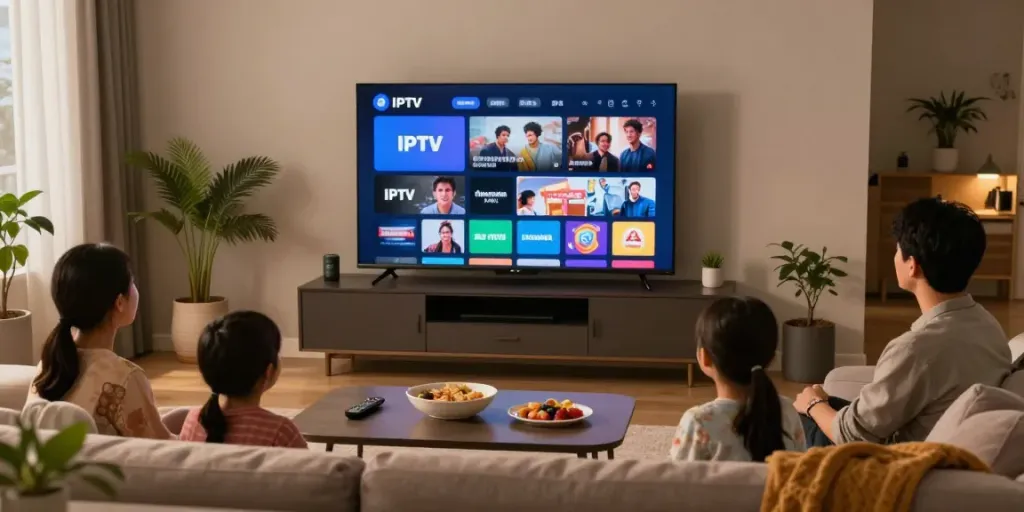
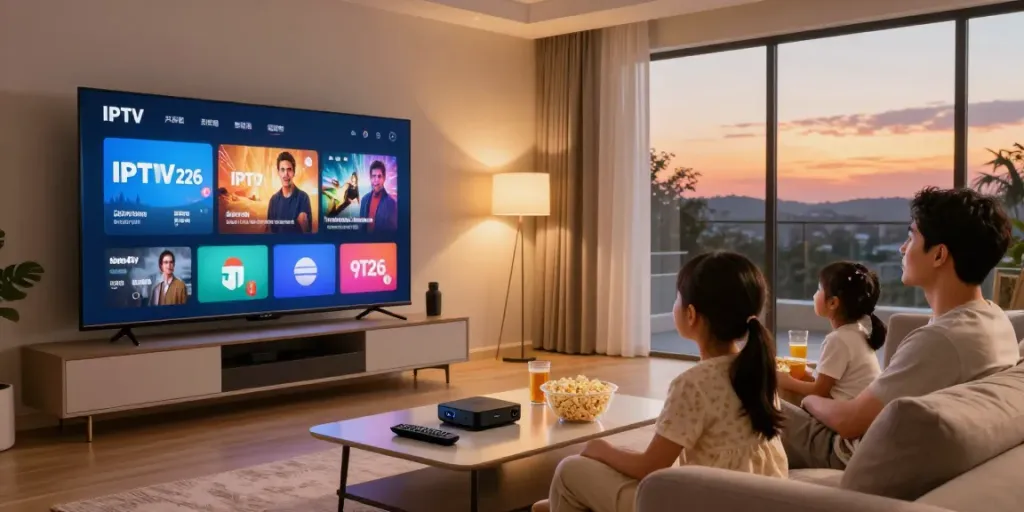
As we delve deeper into the digital age, the landscape of entertainment is rapidly transforming. At the forefront of this evolution is IPTV (Internet Protocol Television), a technology that delivers television programming and other video content through the internet rather than traditional means. This article provides an exhaustive overview of the current state of IPTV services, exploring their functionality, benefits, and the challenges faced by consumers in 2026. When exploring options, Iptv Service providers are integral to this evolution, as they offer a varied spectrum of channels and features that cater to diverse viewer preferences.
What is IPTV and How Does It Work?
IPTV stands for Internet Protocol Television, a system that allows the distribution of television content via the internet. Unlike traditional cable broadcasting, which relies on satellite signals or cable connections, IPTV uses a broadband connection to stream content to your device. This means that viewers can access their favorite shows on various devices, including smart TVs, tablets, smartphones, and computers.
IPTV operates by encoding television signals into IP packets, which are then transmitted over the internet. The signal is decrypted at the viewer's device, allowing for a seamless streaming experience. There are typically three types of IPTV services: live television, time-shifted television, and video on demand (VOD), each providing unique advantages and viewing experiences.
Benefits of Choosing IPTV Services Over Traditional Cable
IPTV offers numerous advantages over traditional cable services, revolutionizing how we consume media. Here are some of the key benefits:
- Flexibility: IPTV allows for on-demand viewing, so users can watch their favorite content whenever they wish without the constraints of fixed broadcasting schedules.
- Variety: Subscribers can enjoy a broader array of channels, including niche content that may not be available with traditional cable packages.
- Cost-Effective: Many IPTV services offer competitive pricing, providing substantial savings compared to traditional cable subscriptions.
- Multiple Device Access: With IPTV, users can stream content across multiple devices, making it easier than ever to watch television on-the-go.
Challenges Faced by IPTV Consumers Today
Despite its numerous benefits, IPTV services are not without their challenges. Consumers often face issues such as:
- Network Dependency: The quality of an IPTV service heavily relies on the user's internet connection. Slow or unstable connections can cause buffering and reduced streaming quality.
- Legitimacy Concerns: Some IPTV providers operate in a gray legal area, raising concerns about the legitimacy of the content being streamed.
- Device Compatibility: Not all devices support all IPTV services, which can limit choices for some users.
- Customer Service: Many lesser-known providers may lack the customer support needed to resolve technical issues promptly.
Key Features to Look for in an IPTV Service
When selecting an IPTV service, potential subscribers should consider several critical features to ensure they choose the right provider.
Evaluating Channel Selection and Variety
A comprehensive channel selection is crucial for an engaging viewing experience. Subscribers should look for providers that offer a wide range of channels, including local, national, and international options. Niche channels tailored to specific interests, such as sports, lifestyle, or educational content, can greatly enhance the value of an IPTV service.
Importance of Streaming Quality and Reliability
Streaming quality is paramount for a satisfactory viewing experience. Look for services that offer HD and 4K streaming options, as well as high uptime percentages. Reliable services often have backup systems in place to minimize downtime and disruptions during peak viewership times.
User-Friendly Interfaces: A Major Consideration
A user-friendly interface can make all the difference. Consumers should prioritize IPTV services that have intuitive navigation, making it easy to browse channels, access on-demand content, and manage subscriptions without frustration.
Comparing Top IPTV Services in the Market
As of 2026, several providers have emerged as leaders in the IPTV space. Here’s a detailed look at the top IPTV services available:
Overview of the Leading IPTV Providers in 2026
Leading IPTV providers typically include:
- Provider A: Known for extensive channel selection and competitive pricing.
- Provider B: Focuses on sports content with excellent streaming quality.
- Provider C: Offers a robust on-demand library with a user-friendly interface.
Pros and Cons: A Side-by-Side Comparison
When evaluating IPTV services, it is essential to weigh the pros and cons:
ProviderProsConsProvider AExtensive channel options, affordable plansCustomer service may be delayedProvider BHigh streaming quality, strong sports focusHigher pricing tiersProvider CGreat on-demand library, intuitive interfaceLimited live channel options
User Reviews and Real World Experiences
Real-world experiences often provide valuable insights about IPTV services. Users appreciate providers that deliver on their promises and offer reliable customer support. Online forums and review platforms are excellent resources to gauge user satisfaction and identify potential service breakdowns.
The Future of IPTV Services: Trends and Predictions
The IPTV landscape is continuously evolving, with emerging trends shaping the future of viewing experiences.
Emerging Technologies Impacting IPTV Services
Technologies such as Artificial Intelligence (AI) and Machine Learning (ML) are being integrated into IPTV services to enhance user experience. These technologies can personalize content recommendations, optimize streaming quality based on bandwidth, and even automate troubleshooting.
Regulatory Changes and Their Effect on Users
As IPTV grows in popularity, it is likely that regulations will tighten, particularly concerning the legality of certain content. Users should stay informed about legislation affecting IPTV services in their region to ensure compliance and avoid interruptions.
What Users Can Expect from IPTV in 2027
In the coming years, users can anticipate even greater diversity in content offerings, improvements in streaming technology, and heightened competition among providers, pushing prices down and service quality up. Furthermore, enhanced user interfaces and integration of smart home technology will likely create a more cohesive entertainment environment.
Frequently Asked Questions About IPTV Services
Is IPTV legal in the USA?
The legality of IPTV services in the USA varies. Legal providers operate within the law, offering content for which they have licensing agreements. Users should research and verify the legitimacy of their chosen IPTV service.
How much does an IPTV subscription typically cost?
IPTV subscription costs can vary widely, with prices generally ranging from $10 to $100 per month, depending on the range of channels offered and additional features like VOD content.
Can I use IPTV on multiple devices?
Most IPTV services allow streaming on multiple devices, enabling users to watch content on their TV, tablet, and phone simultaneously. However, the number of concurrent streams may depend on the service plan selected.
What should I do if my IPTV service is buffering?
Buffering issues can often be resolved by checking your internet speed, restarting your device, or contacting your service provider if the problem persists. Ensuring your router has optimal placement can also make a significant difference in connection quality.
Are there free IPTV services available?
While some free IPTV services exist, they may come with limited content and lower quality. Additionally, users must be cautious as these services may not always operate legally.